Hailstorms have always been a threat to American homes, but the financial impact of hail damage has become increasingly difficult to ignore. In 2026, homeowners are facing a combination of severe storms, rising construction costs, higher insurance deductibles and roofs that can sustain significant damage even when problems are not immediately visible from the ground.
For homeowners, the roof is often the first and most important line of defense during a hailstorm. Understanding what hail does to a roofing system—and having the roof inspected after a significant storm—can help prevent relatively small areas of damage from becoming much larger and more expensive problems.
Hail Damage Is Costing Billions
The scale of recent hail losses is significant.
State Farm reported in April 2026 that it paid more than $5.6 billion in hail-related claims during 2025 alone. Texas accounted for approximately $1.4 billion of that total, followed by Missouri, Illinois, Wisconsin and Oklahoma. State Farm also reported that its nationwide hail payouts increased approximately 12% from 2024 to 2025.
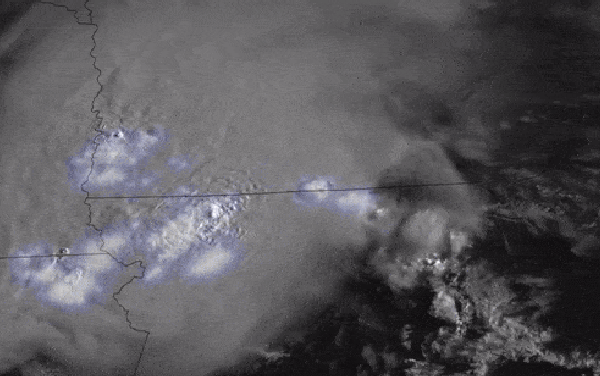
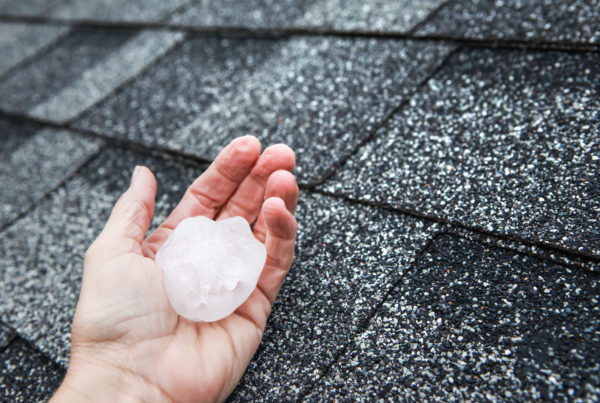
The beginning of the 2026 storm season demonstrated that the problem isn’t slowing down. According to State Farm, March storms had already generated more than 50,000 claims in the Midwest. On March 10 alone, the National Weather Service recorded more than 650 hail reports across nine states, with hail ranging from quarter-sized stones to baseball- and even grapefruit-sized hail.
Research published in 2026 also points to a longer-term increase in significant hail outbreaks in the United States. Researchers examining hail activity from 1990 through 2024 found a positive trend in days with numerous reports of hail measuring two inches or larger, with some of the largest increases occurring during May and June.
The result is a growing exposure for homeowners, insurers and roofing systems across hail-prone areas of the country.
What Does Hail Actually Do to a Roof?
Hail damage isn’t always as obvious as a missing shingle or a hole through the roof.
When hail strikes an asphalt shingle, the impact can loosen or remove the protective granules embedded in its surface. Those granules aren’t simply decorative—they help protect the asphalt layer underneath from ultraviolet radiation and weather.
A sufficiently strong impact can also bruise or fracture the shingle. In some cases, the damage may be difficult to see without getting close to the roofing surface.
Common signs of hail damage include:
- Circular impact marks or dark spots on shingles
- Areas of concentrated granule loss
- Cracked, bruised or fractured shingles
- Dents in gutters, downspouts or roof vents
- Damage to flashing and metal roof components
- Cracked skylights or exterior fixtures
- Damage to siding, fascia or other exterior surfaces
Large hail can produce dramatic damage immediately. Smaller hail accompanied by strong winds, however, can also damage a roof depending on the age, material and condition of the roofing system.
Why Hail Damage Can Become a Bigger Problem Later
One of the biggest misconceptions about hail damage is that a roof must leak immediately for the damage to be serious.
That isn’t necessarily true.
A hail-damaged shingle may continue shedding water after the storm while its protective surface has already been compromised. Over time, exposure to sunlight, temperature changes, rain, snow and ice can accelerate deterioration in the damaged area.
Eventually, moisture can reach the roof decking, insulation or interior of the home.
This is why having a roof evaluated after a substantial hailstorm can be valuable even when there are no visible leaks inside the house. Identifying damage early gives the homeowner an opportunity to understand the condition of the roof before secondary damage develops.
How Much Does Hail Damage Cost to Repair in 2026?
The answer varies considerably depending on the severity of the storm and the roofing system involved.
Current 2026 cost estimates illustrate just how wide the range can be. Angi reports hail-related roof repairs ranging from approximately $150 to $12,500, depending on roof size, roofing material and the extent of damage.
Other 2026 industry estimates put the average hail-related roof repair around $940, with typical repairs costing approximately $4 to $7 per square foot. Extensive damage requiring major roof work or replacement can reach $25,000 or more.
The cost can increase further when a storm damages more than the shingles. Gutters, flashing, skylights, siding, windows and other exterior components may also need attention.
For that reason, homeowners shouldn’t assume that a few visible marks tell the entire story.
Insurance Coverage Is Changing Too
Another important issue for homeowners in 2026 is understanding exactly how their insurance policy handles roof damage.
Traditionally, many homeowners have carried replacement-cost coverage that helps pay the cost of replacing damaged roofing with comparable new materials, subject to the policy’s deductible and terms.
However, some policies use Actual Cash Value (ACV) coverage for roofs. ACV takes depreciation into account, meaning an older roof may receive a substantially smaller insurance payment than the actual cost of installing a new roof.
Deductibles have also become an increasingly important consideration. Some policies may have separate wind or hail deductibles, including deductibles calculated as a percentage of the home’s insured value.
Homeowners should review their individual policy rather than assuming hail damage automatically means a fully paid roof replacement.
What Should You Do After a Hailstorm?
Safety comes first. Avoid climbing onto a wet or damaged roof yourself.
Instead, look for evidence of the storm from ground level. Check gutters, downspouts, siding, window screens, outdoor equipment and vehicles for dents or impact marks. Photograph visible damage and record the approximate date and time of the storm.
Then consider having the roof professionally inspected.
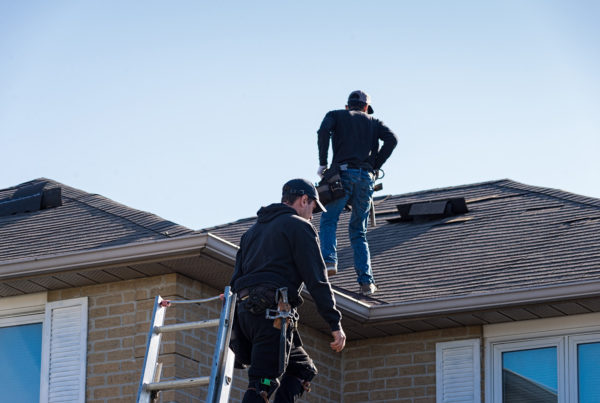
A qualified roofing professional can examine shingles, flashing, vents and other roofing components much more closely and help distinguish potential storm damage from ordinary aging and wear.
If damage is found, keep photographs, inspection information, estimates and other documentation together. If you decide to contact your insurance carrier, that documentation can be useful during the claims process.
Don’t Wait for a Leak to Find Out Your Roof Was Damaged
With hail producing billions of dollars in losses and significant storms continuing in 2026, homeowners have good reason to pay attention after severe weather moves through their neighborhood.
The important question isn’t simply, “Is my roof leaking?”
It’s “Did this storm compromise my roof?”
A roof can look relatively normal from the driveway while still having impact damage that may shorten its service life or eventually allow water intrusion.
If your home has recently experienced hail or severe weather, RESTOR Roofing can inspect your roof, identify signs of storm damage and help you understand your options.
Don’t wait until a damaged roof becomes a leaking roof.
Contact RESTOR today to schedule a professional roof inspection and make sure your home is protected.